The last chapter of my micro journey blooms in quiet harmony, as the poppies’ glow fades.[See Part 1 here & Part 2 here] Cherishing these fleeting sparks of nature’s charm one final time, here are the wild tinies…

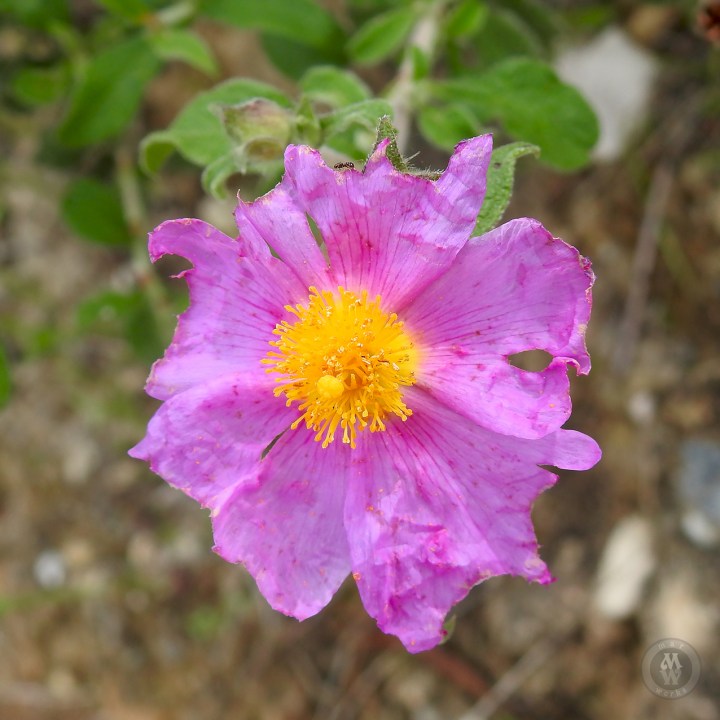
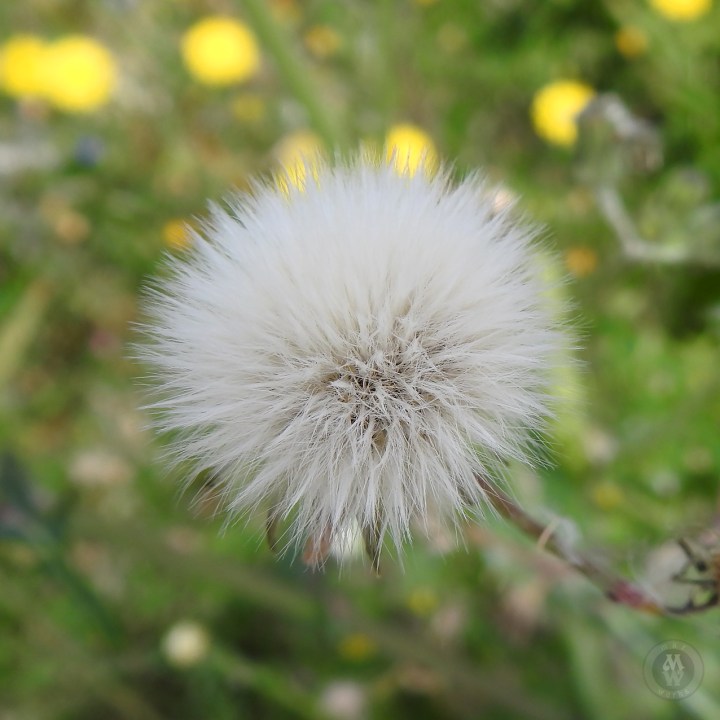
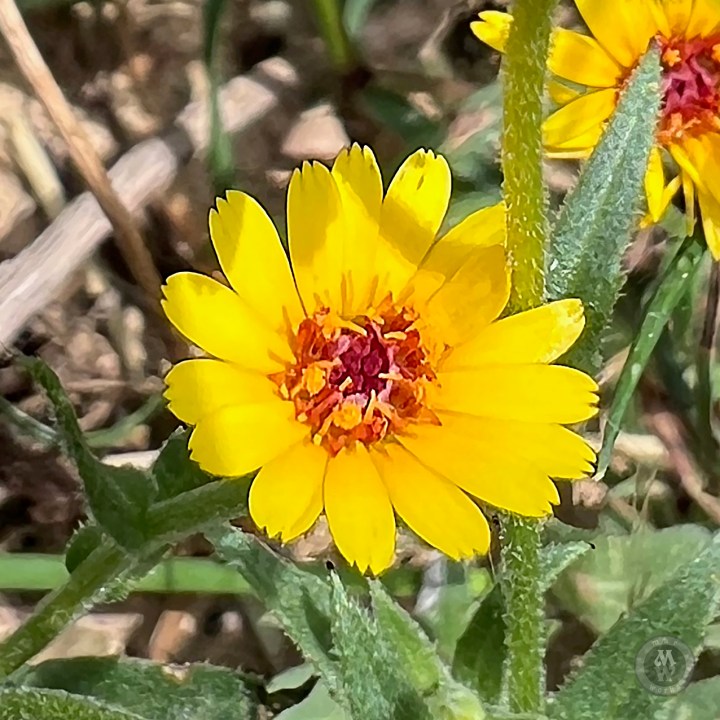
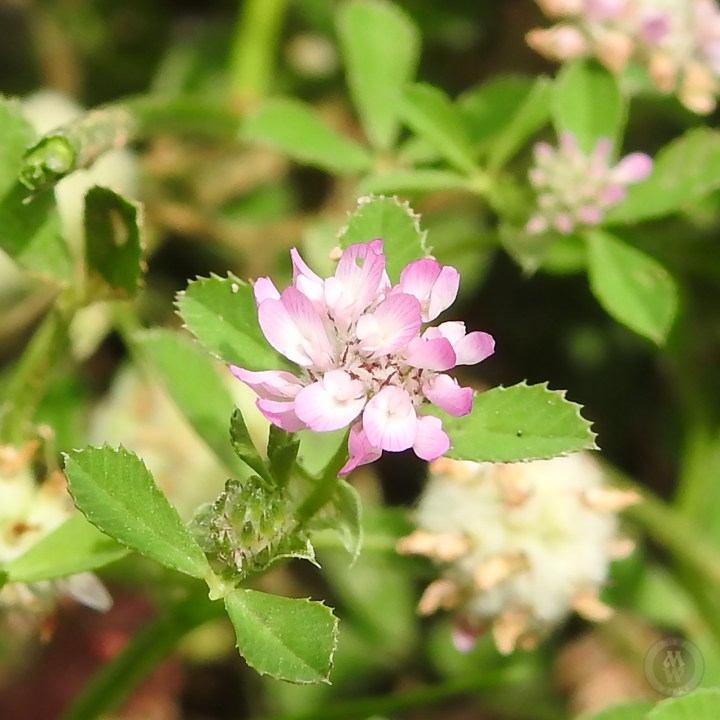
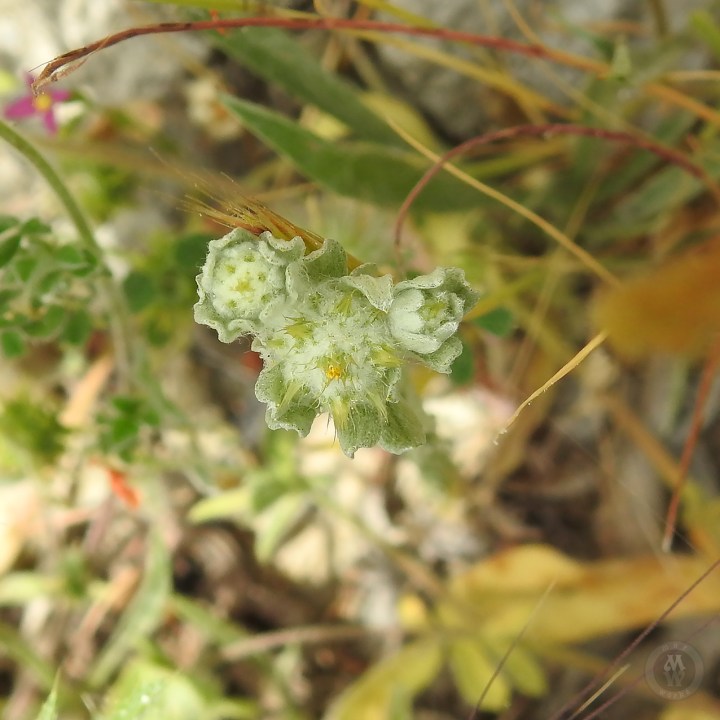
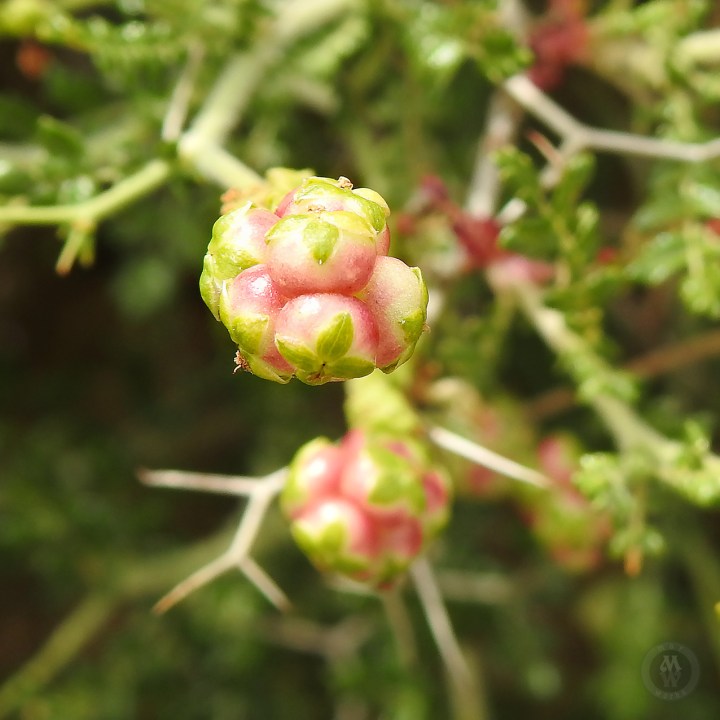
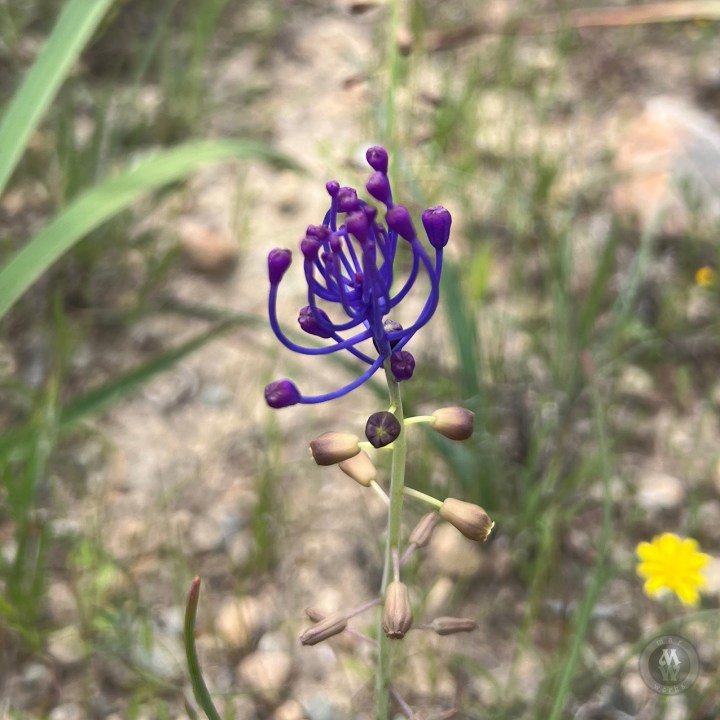
I couldn’t resist one last poppy! 😉

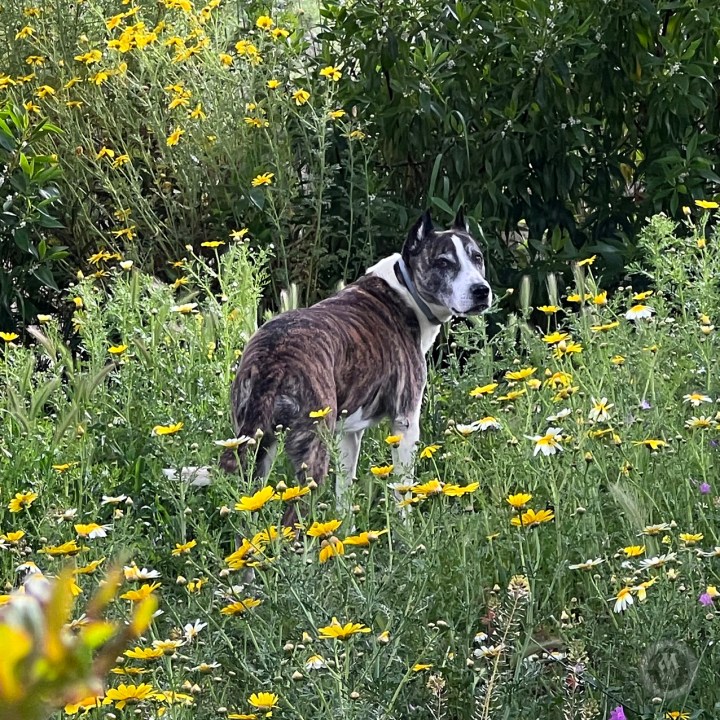
the supervisor calling it quits
The wild tinies would love to know which one stole your heart!
Happy Tuesday, everyone!
Categories: Art & Echoes, Home, Life in Frames


![Opal Ten [aka October!]](https://i0.wp.com/marinakanavaki.com/wp-content/uploads/2017/10/octobder-full-moon-2017-featured.jpg?fit=1200%2C668&ssl=1&resize=200%2C200)


![Stan Kenton, McCoy Tyner, Ella Fitzgerald, Sonny Stitt, Earl Hines, MK-O & The Allman Brothers Band [reblogs]](https://i0.wp.com/marinakanavaki.com/wp-content/uploads/2026/04/april19-reblogs.jpg?resize=200%2C200&ssl=1)
 Marina Kanavaki
All very pretty things, thank you dahling!
Will there be biggies? 🤔🤭 I’m looking forward to seeing what grows where you are!
Will you get olives this year?
Oh… and are you commuting to Athens?
xoxoxoxoxoxoxoxo
Oh, yes… it’s all a first for me! I don’t know about biggies. I’m keeping my eyes open as this is our first spring here.
Hopefully we will get olives. I see they are all flowering. I can also feel it in the form of allergy as the olive tree pollen is quite strong!
I am going to Athens on weekdays [my work is at my parents home].
Love and hugs
xoxoxoxoxoxoxoxoxoxoxoxoxoxoxoxo
I didn’t know that about olive flower pollen. I never even thought about olive tree flowers. I just looked it up. They are lovely.
Did I mss/forget about olive tinies on one your posts?
Be careful commuting! Repeated long drives are tiring!
xoxoxoxoxoxoxooxooxoxoxoxo
Hmmmm…. I haven’t photographed them!
💡🤔
I know about long drives. Thankfully it’s a nice ride.
xoxoxoxoxoxoxoxoxoxoxoxoxoxoxo
Lol… get that camera and go to olive tree!
Yay, I’m glad it’s a nice drive. Since retiring from film, after Covid, (still beaver busy, but on my terms, mostly consulting) I rarely have to drive anywhere.
I don’t miss all that driving to locations. If I ever do another film, it will have to be a studio shoot.
Those are rare these days, as locations are cheaper to rent, than sets are to build.
xoxoxoxoxooxxoxoxoxoxo
Beaver busy on your terms sounds perfect!
Got to get those olive trees!!! 😎
❤️😘❤️😘❤️😘❤️😘❤️😘❤️😘❤️
❤️😘❤️😘❤️😘❤️😘❤️😘❤️😘❤️
xoxoxoxoxoxoxoxoxoxoxoxoxoxoxoxoxoxoxo
All so pretty and dainty! I can hear the supervisor saying, “I’m going home. You coming or what?”
Aren’t they?! As for the supervisor, don’t laugh but she’s actually in our garden and yes, there’s some serious weeding need to be done! 🤣
Thank you, Liz! Happy Wednesday!
You’re welcome, Marina! Happy Wednesday!
Thank you, Liz… and Happy May too! 😉 xoxo
You’re welcome, Marina. We have sun for the first day of May!
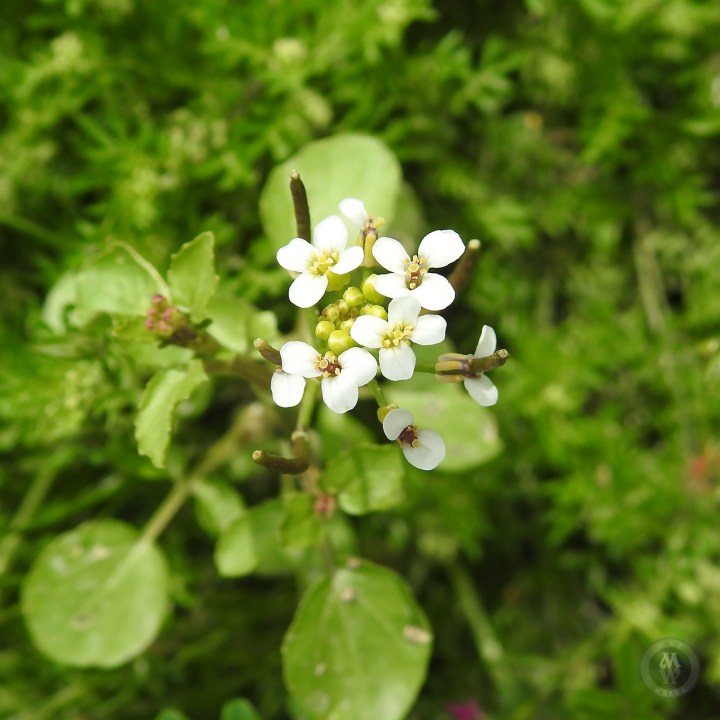
Beautiful flowers. I love the first one with the delicate cross. So unusual.
Thank you so much, Robbie. I love that one too. It’s a wild arugula/rocket. I found out recently and am so fortunate it grew in my garden! xoxo
Lucky 🍀
😌😘
Oh Marina – I could not choose my favourite. Your photos brought out the beauty of flowers and their unique personalities. You are a flower whisperer! Sending many hugs!
Awww…. just thought that it would be a shame if they went unnoticed. The big blooms steal the show.
Many many hugs to you, my dearest friend! xoxoxo
A lovely stroll with you, thanks for sharing these beautiful flower photos, including the one with flowers surrounding Superdawg! 🐾🤗
So happy you enjoyed the walk, Ashley!
Superdawg is thrilled to learn each and every one! 😉
🙏🌸🐾
🐕🌻🌼🌱🌷🐶
😊🔆🌱🌸🙏
Oh! Wow … lovely … Waving to the supervisor 😁😁😁💜💜💜💜
Ah, thank you, Willow!
Supervisor sends tail wags and kisses!
💜xoxoxoxoxo💜
I am blown away by the wonderful variety you have right there for you to capture and share with us. Cross-My-Heart is so special!
xoxoxoxo
She really is special, isn’t she?! Honestly, I hadn’t noticed most of them until I took my camera! 😉 Thank you, sweet Dale!
xoxoxoxoxoxoxoxoxoxoxoxoxoxoxo
Truly! Nothing like getting down to their level to really see them 🙂
xoxoxoxoxoxo
Oh, yes! xoxoxoxoxoxoxoxoxoxoxoxoxoxo
So many lovely tiny flowers. You are in a blooming, beautiful place. The supervisor is doing a great job.
True and as I see they are perseverant too! Extremely strong winds have been blowing with gale force gusts and they’re still there, unlike some things / objects etc from our home! 😱 Supervisor is a good girl!
We’ve had really strong winds, too.
Makes me wonder…. we’re going on to day 4 of non-stop strong winds. Weird.
Do you get winds like the Mistral winds in southern France? When we were in southern France in May of 2013, the Mistral winds were constant winds for 4 days.
Yes, we call them Maestro [or Maestrali]. They are northwest pleasant winds. Sailors consider them favorable.
The Mistral winds were fierce winds.
I had to ask Grok because I was confused and as it turns out, we are both right! Here’s Grok’s answer:
Maistros Wind in Greece
Nature: In Greece, the Maistros (or Maistro) is a northwesterly wind, often associated with the summer Etesian winds (locally called Meltemi in some contexts). These winds blow across the Aegean Sea, particularly from May to September.
Characteristics: The Maistros is generally a favorable summer wind in Greece because it brings cool, dry air, providing relief from the intense summer heat. It’s typically moderate, though it can occasionally strengthen, especially in the Cyclades or Dodecanese islands.
Impact: For sailors and coastal communities, the Maistros is often welcomed as it aids navigation and cools the islands. However, when it intensifies, it can make seas choppy, requiring caution for small vessels.
Mistral Wind in France
Nature: The Mistral is a strong, cold, northwesterly wind that blows through the Rhône Valley in southern France, particularly affecting Provence and the Mediterranean coast. It’s most common in winter and spring but can occur year-round.
Characteristics: Unlike the Maistros, the Mistral is known for its intensity, often reaching speeds of 40-100 km/h (25-62 mph) or more. It’s a katabatic wind, funneled through the Rhône Valley, bringing clear skies but cold, dry conditions.
Impact: The Mistral can be disruptive, bending trees, damaging crops, and making outdoor activities challenging. However, it also clears pollution and brings bright, sunny weather, which is valued in the region.
Key Differences
Why the Difference?
The Maistros and Mistral are both northwesterly winds influenced by similar large-scale atmospheric patterns (e.g., high-pressure systems over the Atlantic and low-pressure systems in the eastern Mediterranean). However, Greece’s fragmented island geography diffuses the Maistros, while France’s Rhône Valley amplifies the Mistral’s speed and force.
Conclusion
The Maistros in Greece is indeed a favorable summer wind, valued for its cooling effect and moderate nature, while the Mistral in France is a stronger, often disruptive wind, less favorable due to its intensity, especially outside summer. Both are part of the same broader wind family but are shaped by their unique regional contexts.
beauties
⬻𓂀✧ ✬ღ☆ ∞ ♡ ∞ ☆ღ✬ ✧𓂀⤖
Tiny beauties!
🌸🙏🐉🙏🌸
🌸🙇♂️🐓🙇♂️🌸
🐉
Good morning … well … Happy Lunch Time. The cross-my-heart vein design is wonderful! Yamas!
Amazing, aren’t they, those veins?!
Happy lunchtime, my friend!
Yamas!
Absolutely … but it is breakfast time for me. 😉
Okay…. it must be near your lunchtime now! 😉
Just finished.
Good! 😉
Cheers!
Poppies with their brightest red remain one of my favorites – all are lovely, though, in their own way! Thank you for sharing and happy Tuesday to you, too.
Thank you! Poppies are also my favorites. Their color is actually quite hard to capture and I agree each flower is unique. 🙏