from Oannes *
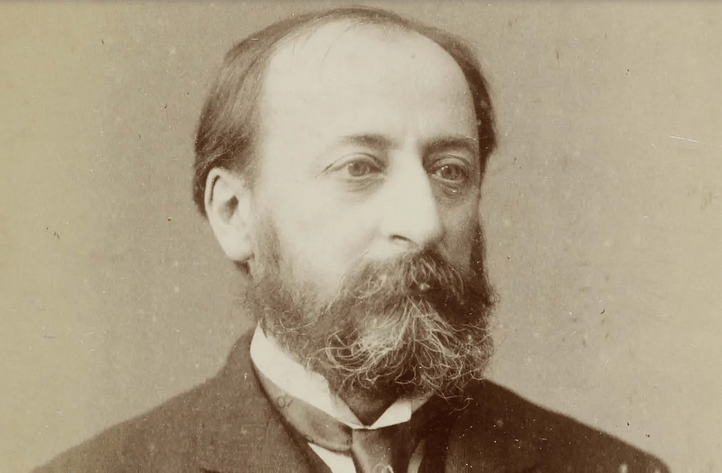
Οι κατηγορίες που έχουν ακουστεί από “ειδικούς” εναντίον του Saint-Saëns (1835-1921) μπορούν να συνοψιστούν απ’ τη μια στα περί συντηρητικότητας και ακαδημαϊκότητας του συνθέτη (ο ίδιος δε διευκόλυνε ακριβώς τα πράγματα, βγαίνοντας μπροστά εναντίον της avant-garde της εποχής του, και προσωπικοτήτων όπως οι Wagner, Debussy, Stravinsky – με τον δεύτερο απ’ αυτούς τον χώριζε προσωπική έχθρα) και απ’ την άλλη στα περί έμφασης στην τεχνική αρτιότητα εις βάρος του συναισθήματος – κάποιοι φτάνουν να μιλούν για τέχνη λιγότερο σοβαρή και περισσότερο διακοσμητική.
Υπάρχουν κάποια επιχειρήματα που συνηγορούν με τα παραπάνω.
Πολύ περισσότερα και πειστικά είναι εκείνα εναντίον τους, όπως το συμφωνικό ποίημα που ακούμε, εμπνευσμένο απ’ το μύθο του Φαέθοντα και επηρεασμένο απ’ τα πρώτα (λιγότερο επαναστατικά) έργα του Wagner, των οποίων υπήρξε λάτρης.
Είναι χρήσιμο να επισημάνει κάποιος ότι ο Saint-Saëns υπήρξε από τις πιο εντυπωσιακές αν όχι η πιο εντυπωσιακή περίπτωση παιδιού – θαύματος στην ιστορία της μουσικής, με επιδόσεις και πέρα από αυτήν : διάβαζε και έγραφε σε ηλικία 3 ετών, στα 7 είχε επαρκή γνώση της λατινικής. Έδωσε την πρώτη του σύνθεση στα 4, ξεκίνησε τα ρεσιτάλ ένα χρόνο αργότερα.✻
The arguments against Saint-Saëns (1835-1921) made by “experts”, can be summed up, on one hand, in the composer’s conservatism and academic attitude (he did not exactly make things easier, coming forward against the avant-garde of his time, and personalities such as Wagner, Debussy, Stravinsky – there was personal enmity with the second one of them) and, on the other hand, in the emphasis on technical excellence at the expense of emotion – some even talk about his art as less serious and more decorative.
There are some arguments that support this.
Much more and more convincing are those against it, like the symphonic poem we hear, inspired by the myth of Phaethon and influenced by Wagner’s early (less revolutionary) works, of which he was a fan.
It is useful to point out that Saint-Saëns was one of the most, if not the most impressive case of child prodigy in the history of music. And not only this : he read and wrote at the age of 3, at 7 he had sufficient knowledge of Latin. He gave his first composition at 4, began recitals a year later.
❦
Enjoy!
❦
As always, I’m happy to hear your thoughts, however I’d highly recommend a direct dialogue with the …’source’ [why comments are closed here], so please visit Oannes’ page where you can also listen to the music !
More about these reblogs
* For my friends who didn’t know, or first timers here, Oannes [aka Socratis Papahatzis] is my husband, partner in life and music and the one with my undying admiration. Together we have a band MK-O [the music of Marina Kanavaki & Oannes]. So, it’s my pleasure to share with you his [and sometimes mine] musical selections. • Do visit his site. He has my highest recommendation!
Categories: MUSIC, Oannes Reblog, Oannes Reblogs


![Opal Ten [aka October!]](https://i0.wp.com/marinakanavaki.com/wp-content/uploads/2017/10/octobder-full-moon-2017-featured.jpg?fit=1200%2C668&ssl=1&resize=200%2C200)


 Marina Kanavaki
Recent Comments